News
April 9. - 2026
Antarctic Fish Show Rapid Increase in Heart Rate with Increasing Water Temperature
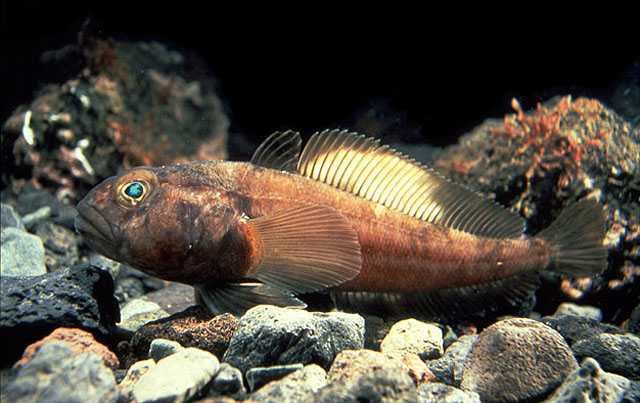
With marine heatwaves becoming more frequent in the Southern Ocean, a recent study published in Comparative Biochemistry and Physiology offers fresh insight into how Antarctic fish react to rapid ocean warming. With a focus on the cold-adapted nototheniid Trematomus bernacchii, the researchers tracked the effects of short-term temperature spikes on metabolism, oxidative stress, and cardiac performance by combining high-resolution heart rate recordings with molecular and biochemical investigations. The findings stress the significance of comprehending physiological resilience, as climate-driven maritime heatwaves grow more frequent and severe, as well as the increased susceptibility of polar species to extreme thermal events.
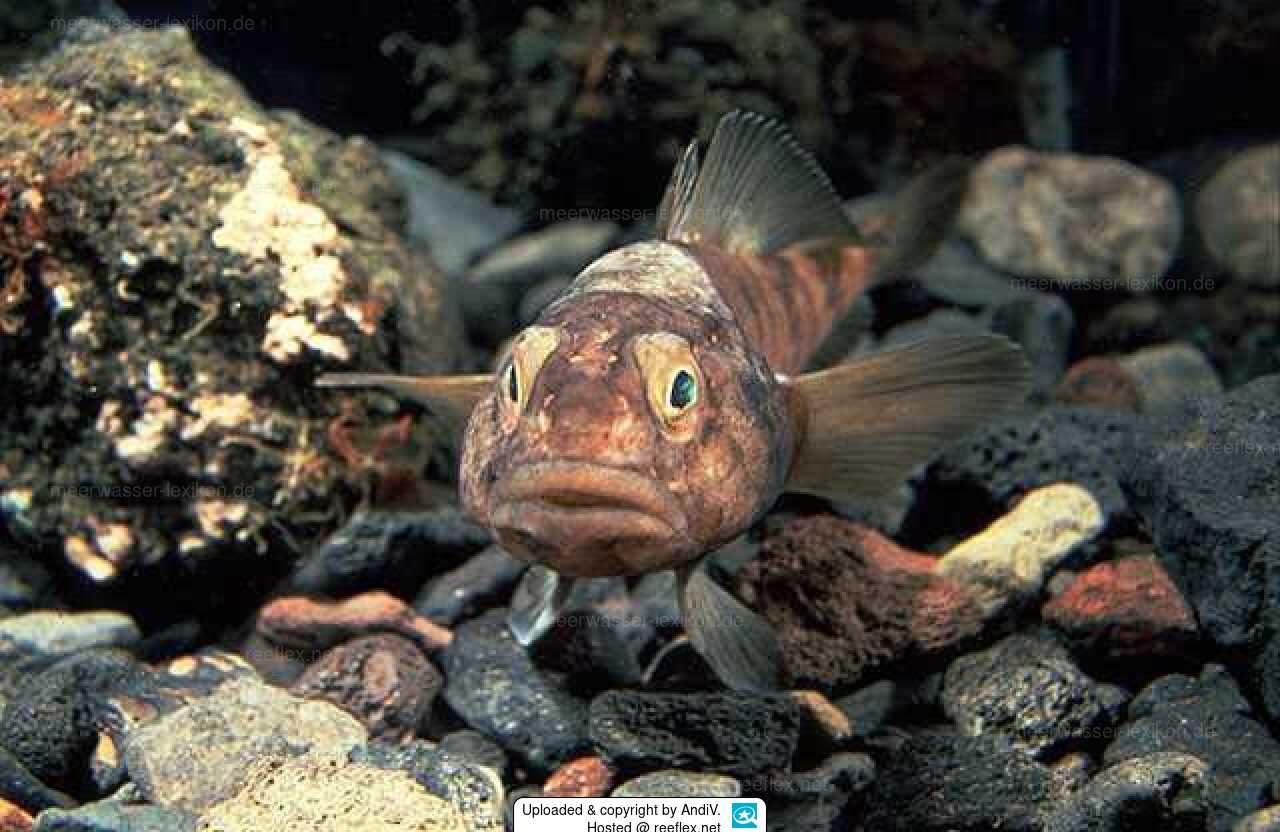
Emerald rockcod implanted with heart rate physio-loggers
Scientists from University of Padova, Italy, University of Venice, Italy, University of Karlstad, Sweden, University of Naples, Italy, and Technical University of Dresden, Germany implanted 8 randomly selected rockcods with Star-Oddi’s micro-HRT and tagged. The logger measured heart rate at 100Hz recording every hour during the entirety of the experiment. Four fish were then assigned at random to the control group and four to the experimental group, each group consisting of 15 fish. Heat waves were then simulated with gradual increase of +1°C each time (+1°C, +2°C and +3°C). The implanted fish were euthanized after the last heat wave simulation.
Rapid increase in heart rate with increasing water temperature
This study shows that Trematomus bernacchii can produce a rapid yet limited physiological response to acute warming events resembling marine heatwaves. Real‑time heart‑rate measurements revealed a strong, progressive rise in cardiac activity, indicating sharply increased metabolic demand and underscoring the heart’s high thermal sensitivity in Antarctic ectotherms. Although the species demonstrates short‑term adaptability, the findings also highlight clear constraints in thermal resilience. To better predict how Antarctic fish will cope with a rapidly warming Southern Ocean, future research should examine chronic heat stress, additional oxidative damage markers, and broader antioxidant pathways. Overall, the results emphasise both the adaptive capacity and the vulnerability of polar fish as marine heatwaves intensify. 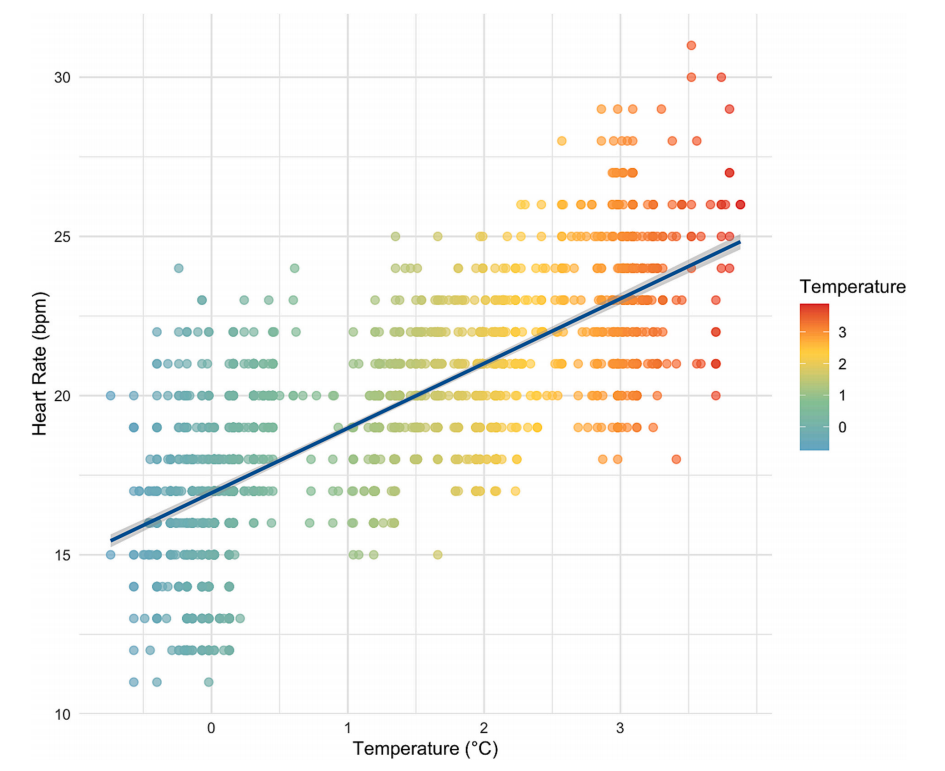
Fig. 1 . Scatter plot showing the relationship between seawater temperature (◦C) and HR (bpm) in T. bernacchii.
Furhter results can be found in the article publised in Comparative Biochemistry and Physiology, Part C.
Photos found here main photo, and small photo.